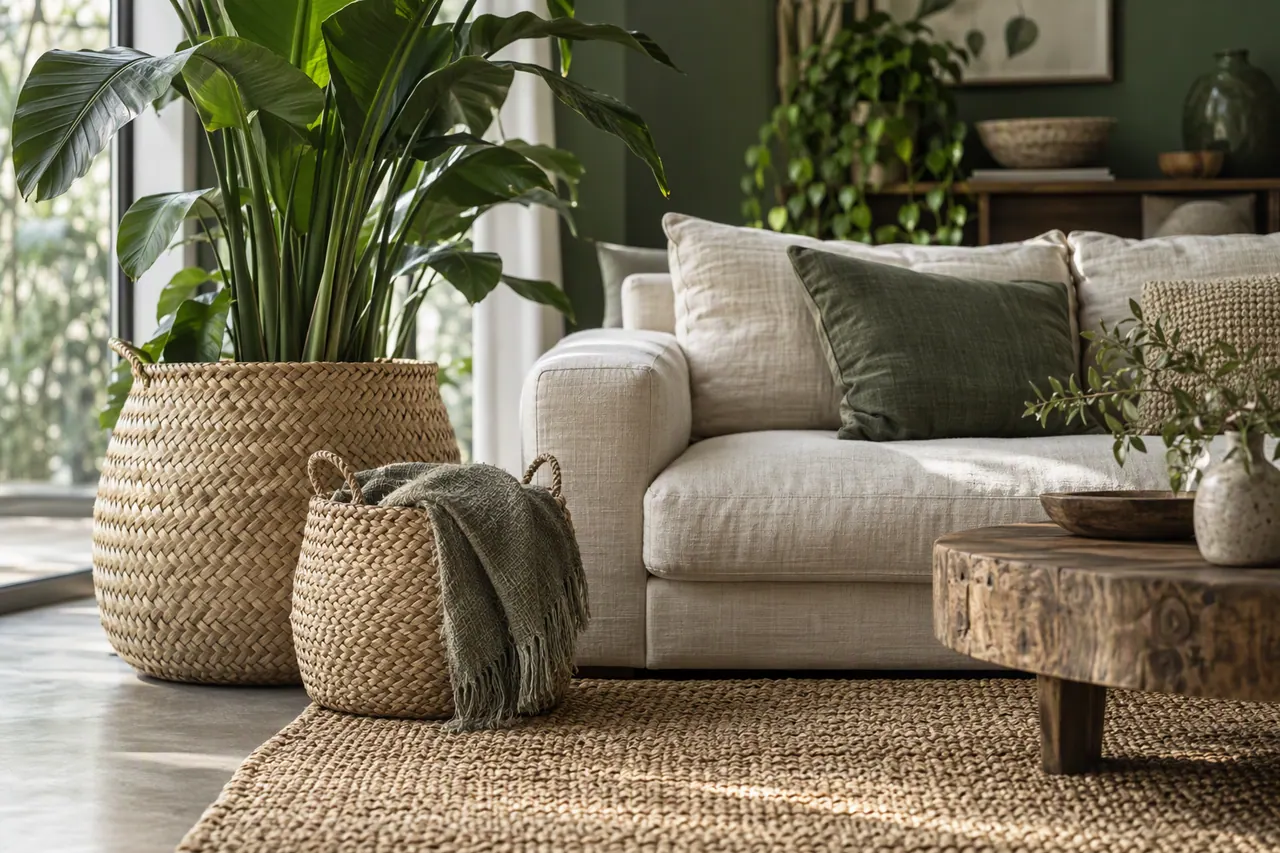

In short
A full starter guide to decorating a home with natural, low-waste materials: what to buy, what to make, what to avoid, and how to care for every piece you keep.
Eco-friendly home decor is not a shopping list, it is a set of choices. The aim is simple: fewer pieces, made from materials that came from a plant or the ground, that you can repair, compost or pass on rather than replace every couple of years.
This guide walks through the materials worth your money, the ones that quietly cause problems, the projects a beginner can make in a weekend, and the care habits that decide whether a natural piece lasts two years or twenty. It is long, because the details are where the value is.
The first thing to understand is that natural does not automatically mean sustainable. A jute rug shipped halfway around the world can carry a larger footprint than a locally made wool one. The honest rule is to weigh three things together: the material, how far it travelled, and how long it will stay in your home. A piece you keep for a decade usually beats a cheap one you replace three times.
Materials worth building a room around
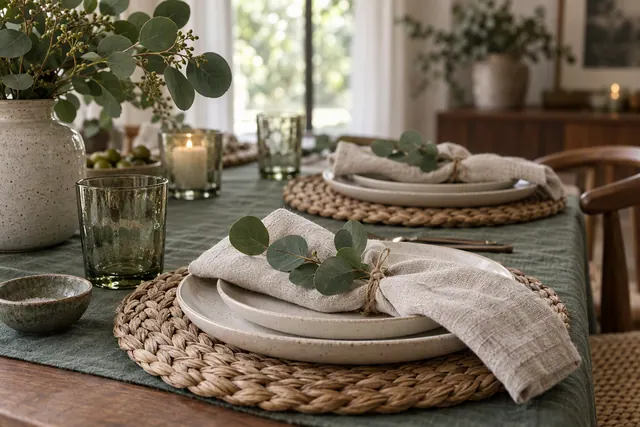
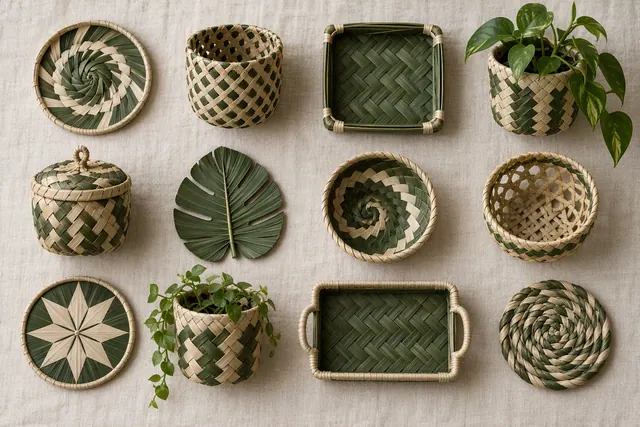
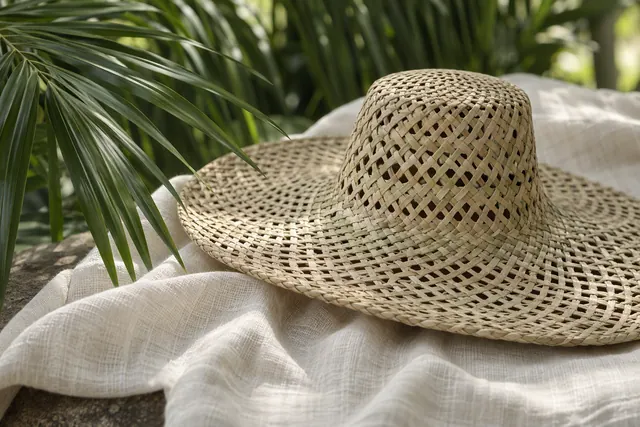
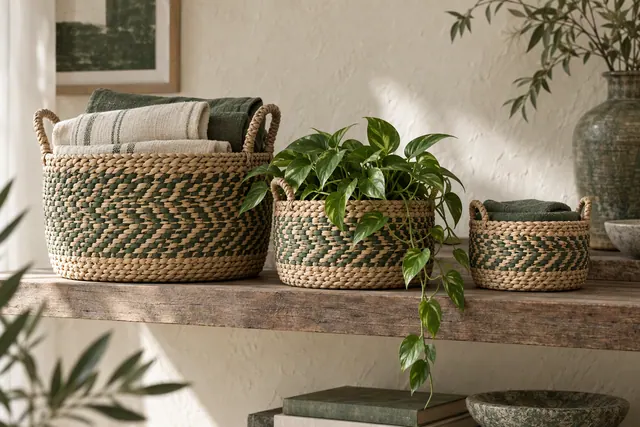
Start with the materials that age rather than degrade: wool, linen, untreated wood, clay, glass, and woven leaf or rattan. They can be cleaned, repaired and often composted at the end of a long life. I keep at least one woven element in every room, because it adds texture and warmth without any plastic at all.
Materials to think twice about
Some materials look green but struggle to be either. Below is a plain comparison of the common options, based on how long they last, how they are cleaned and what happens at the end of their life. Treat it as a starting point rather than a verdict, because how you use a piece matters as much as what it is made from.
| Material | Best for | Watch out for |
|---|---|---|
| Woven palm leaf | Baskets, hangers, wall art | Keep away from damp and direct heat |
| Wool | Rugs, throws, cushions | Needs careful washing to avoid shrinkage |
| Linen | Curtains, napkins, covers | Creases easily; iron damp |
| Bamboo | Small furniture, trays | Cheap glues can off-gas for weeks |
| Recycled glass | Vases, jars, tableware | Heavy; check it is actually recycled |
| Untreated pine | Shelving, stools | Needs oiling to survive spills |
Decorating room by room
A whole home is too much to fix at once. I work one room per season, and I begin with whatever is most visible from the doorway. That is usually the living room, then the bedroom, then the kitchen. The point is not to empty a room and start again but to replace the pieces you dislike, one at a time, with something you can keep.
| Room | Start here | Typical cost to do it well |
|---|---|---|
| Living room | One woven basket and a linen throw | Under 80 pounds if you make the basket |
| Bedroom | Cotton or linen bedding and a leaf wall panel | Under 120 pounds |
| Kitchen | Woven bread basket and linen napkins | Under 40 pounds |
| Bathroom | Woven storage and a glass soap dish | Under 35 pounds |
| Hallway | A large woven basket for shoes and bags | Under 60 pounds |
Projects to make yourself
Making a few pieces is the cheapest way into eco-friendly decor, and it teaches you what to look for when you do buy. These four projects need no special tools beyond scissors and a little patience, and each one replaces a plastic item you would otherwise buy twice.
Four beginner projects
-
1
Woven storage basket
A 25 cm round basket from palm strips replaces a plastic box for blankets or toys. Expect about three hours.
-
2
Woven plant hanger
Six strips and a ring make a hanger for a 12 cm pot, and it keeps the pot off a plastic saucer.
-
3
Linen napkins
Cut a metre of linen into four 45 cm squares and hem the edges to replace paper napkins for good.
-
4
Dried leaf wall panel
A flat 30 by 45 cm weave on a dowel fills a blank wall with no plastic frame at all.
Build your first natural piece
Our starter basket kit includes prepared palm strips, a guide and everything you need to begin.